
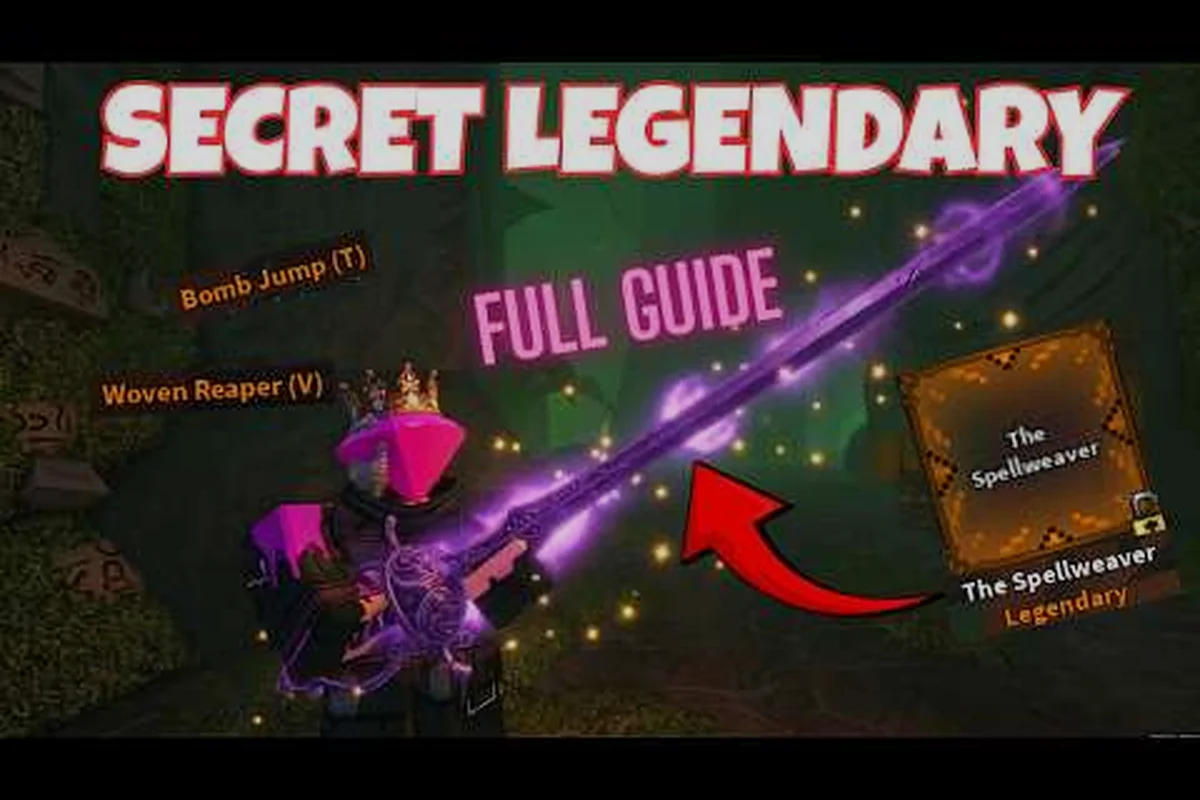
Gear progression in The Veil is the difference between one-shotting a Hiveling and getting flattened by the Smelter Demon, which is why every serious run routes through the Blacksmith before touching the Enchanter. This The Veil blacksmith guide walks through how the tier system consumes Ichor and Silver, how the Enchanter layers Fire Essence and Gems on top, and where Obelisks tie the whole loop together for solo and PvP play. Treat it as your single reference for turning raw drops into a weapon that actually carries you through The Pale.
How the Blacksmith Tier System Works in The Veil
The Blacksmith is the first stop in The Veil's gear pipeline, and it sits in The Glade, the surface hub where every run begins and ends. According to a community walkthrough of the Blacksmith and Enchanter systems, the Blacksmith's job is narrow and well-defined: take a weapon or armor piece and push it up the rarity ladder using two of the game's five core currencies, Ichor and Silver. The Enchanter sits adjacent and handles a different job, which we cover in the next section.
The currency split is intentional. Ichor is the rarer, more painful resource because it drops mostly from elite enemies, Maze night encounters, and boss kills. Silver is more common and floods in from standard mob clears, quest turn-ins, and Obelisk travel bonuses. Tier-ups therefore trade a resource you can farm casually (Silver) against a resource that has to be earned deliberately (Ichor), which is what makes the blacksmith decision feel weighty.
What Each Tier Actually Does
Every Blacksmith upgrade raises a piece's base damage or base defense while also bumping its rarity from Common up the ladder toward Legendary, with Mythic reserved for top-end drops. Community testing shared in a weapon enhancement and enchanting breakdown shows that each tier increases base stats by a meaningful but shrinking percentage, meaning the jump from Common to Uncommon feels huge, but the gap between Rare and Epic is smaller. The Veil does not publish exact percentages, and the community has not converged on a single table of numbers, so treat any specific multiplier you see in chat as anecdotal.
That diminishing return is the single most important reason to focus on one main weapon instead of spreading Ichor across three. A fully enhanced Rare outperforms three half-enhanced Rares almost every time in solo play, and the gap widens in PvP because one-shot breakpoints matter more than total inventory value.
The Rarity-to-Tier Cost Curve
| Rarity Tier | Typical Ichor Cost (per slot) | Typical Silver Cost (per slot) | Practical Use Case |
|---|---|---|---|
| Common → Uncommon | Low | Low | Starter gear, level 1-10 |
| Uncommon → Rare | Moderate | Moderate | First Glade clear, Maze entry prep |
| Rare → Epic | High | High | Boss farming, mid-game PvP |
| Epic → Legendary | Very High | High | Late-game PvP, Pale entry |
| Legendary → Mythic | Extreme | Very High | Endgame min-max, prestige push |
The Veil publishes no official cost table, so the values above are qualitative ranges reconstructed from player-reported runs. Expect the exact numbers to shift with patches, because the developers tune Ichor drop rates whenever they adjust Maze difficulty or boss loot tables.
The Veil Enchanting Guide: Fire Essence, Gems, and Affix Layering
Enchanting is the second half of the gear pipeline, and it is what turns a high-tier weapon into a build-defining one. The Blacksmith and Enchanter walkthrough describes the Enchanter as the system that adds affixes on top of an already-enhanced piece, using Fire Essence and Gems as fuel. Enhancement raises the floor, and enchanting raises the ceiling.
Fire Essence is the rarer ingredient and drops from fire-themed enemies, Smelter Demon fragments, and a handful of Maze night rooms. Gems are more common and come from mining nodes, chest rewards, and Obelisk travel caches. Because Fire Essence is bottlenecked, every Enchanter roll is a real decision, especially when you are still pre-Mythic.
The Enchanter Affix Families
| Affix Family | Primary Resource | Effect Type | Best For |
|---|---|---|---|
| Elemental | Fire Essence | Adds elemental damage or resistance | Boss melting, PvP burst |
| Utility | Gems | Cooldown reduction, movement speed | Solo survival, Maze runs |
| Stat Boost | Mixed | Raw stat percentage bumps | Hybrid class builds |
| Weaving | Fire Essence | Buffs Weaving combat mechanics | All melee classes |
The Veil's official documentation does not publish a complete affix list, and the community has not produced a stable named-list either, so treat any specific affix names you see in chat as build-specific shorthand. The four families above are reliable because they match the resource inputs the Enchanter accepts, and the developers have confirmed these categories exist.
How Diminishing Returns Shape Enchanting Choices
Because Blacksmith tiers already push base damage up, affixes that scale with base damage (most elemental rolls) get stronger as the underlying piece improves. Affixes that grant flat bonuses do not scale the same way, which means a flat-damage roll on a Common is wasted, while the same roll on a Legendary is competitive. Plan your enchanting order around the piece you intend to carry long-term, and treat every Common and Uncommon roll as throwaway practice.
The Veil Obelisk Guide: Fast Travel, Caches, and Currency Routing
Obelisks are the connective tissue of The Veil's world, and the Obelisk system is documented across multiple community walkthroughs as the primary fast-travel network linking The Glade, The Maze, and The Pale. Every Obelisk is a waypoint, a respawn anchor, and a small bonus source rolled into one structure.
Traveling between Obelisks pays out a small currency cache that includes Silver, occasional Gems, and rarely a Fire Essence shard. Because the cache is per-trip, a run that hops through four Obelisks earns roughly four times the baseline, which is why efficient players route their farming loops around Obelisk chains rather than straight-line grinding.
Obelisk Roles by Zone
| Zone | Obelisk Role | Cache Quality | PvP Risk |
|---|---|---|---|
| The Glade | Hub respawn, quest turn-in | Low | Safe |
| The Maze (night) | Dungeon entry and exit | Moderate | High (player ambushes) |
| The Pale | Endgame fast travel | High | Very High (gated by Prestige) |
PvP ambushes concentrate at Maze and Pale Obelisks because that is where loot-heavy players respawn after a run, and according to community reports, the safest pattern is to teleport, immediately move, and never stand on the Obelisk pad for more than a second or two.
Tying Obelisks Into the Blacksmith Loop
The most efficient Blacksmith runs look like this: farm in a zone with a high-density Obelisk chain, hop through two or three Obelisks to bank the cache, port back to The Glade, dump Silver and Ichor into the Blacksmith, then re-roll enchants with whatever Fire Essence and Gems you collected. Players who skip the Obelisk leg of the loop end up Ichor-starved even when their kill rate looks fine, because they never picked up the travel cache. If you are still learning the map, our how to survive the Maze breakdown covers the night-only Obelisk routes in detail.
The Veil Solo Guide: Self-Funded Progression and Budget Builds
Solo play in The Veil is harder than group play by design, because the game does not share loot or currency in co-op the way most Roblox titles do, and a dead teammate's kit is genuinely gone until they respawn. According to a community currencies explainer, the five currencies (Sins, Offerings, Ichor, Silver, Gems, and Fire Essence) are largely personal, which means solo players have to build a self-sufficient progression engine.
The Blacksmith and Enchanter decisions hit solo players hardest because there is no one to borrow currency from and no one to share enchants. A good solo run optimizes for a single fully-enhanced main weapon, one decent armor piece, and a tight set of affixes that work with the chosen class, instead of spreading resources across three mediocre kits.
Solo Budget Build Example
| Slot | Recommended Tier | Resource Focus | Why |
|---|---|---|---|
| Main weapon | Rare → Epic | Ichor-heavy | Carries damage, defines build |
| Armor | Uncommon → Rare | Silver-heavy | Survival without burning Ichor |
| Off-hand | Common → Uncommon | Gems only | Throwaway until Mythic drops |
| Enchants | 2 elemental, 1 utility | Fire Essence | Scales with main weapon tier |
The Veil does not publish a recommended loadout, so the table above is a community-tested pattern, not an official template. Solo players who ignore this concentration pattern tend to hit a wall at the Smelter Demon or the Hiveling Titan, because their damage is spread too thin to clear boss phases in time.
Solo Pacing Tips
Run the Glade first to bank Silver, then do a single Maze night for Ichor, then return to enhance. Repeat. Do not Prestige until your main weapon is at Rare or higher, because resetting too early, as the Prestige guide explains, restarts your entire Blacksmith progress and forces you to rebuild the tier ladder with starter resources. Roblox badges confirm 5th, 10th, 15th, and 20th Prestige milestones, with 20th being the highest currently awarded, so Prestige timing is a long-term decision, not a per-session one.
The Veil PvP Guide: Blacksmith Edge Cases and Enchant Brackets
PvP in The Veil rewards single-target burst more than sustained damage, which inverts the usual Blacksmith priority list. A fully enhanced Rare weapon with strong elemental affixes will beat a half-enhanced Legendary almost every time, because the fight ends before the Legendary's higher base damage matters. The enhancement and enchanting breakdown specifically calls out that enhancement cost rises per tier, so spreading Ichor across multiple weapons is a worse PvP bet than funneling everything into one dueling piece.
PvP Enchant Priorities by Class
| Class Archetype | First Affix Priority | Second Affix Priority | Avoid |
|---|---|---|---|
| Verdant / Sky Sentinel | Elemental damage | Cooldown reduction | Flat stat rolls |
| Gladiator / Crusader | Weaving buff | Utility (movement) | Pure resistance rolls |
| Cyst Disciple / Cultist | Elemental damage | Elemental damage | Cooldown reduction |
| Marauder / Nightshade | Utility (movement) | Stat boost | Fire Essence-heavy elementals |
The Veil's eight documented classes (Verdant, Gladiator, Cyst Disciple, Cultist, Marauder, Sky Sentinel, Crusader, and Nightshade) all have Hybrid combinations of two base classes, which means your enchant plan has to account for your secondary kit as well. The table above is built around primary-class behavior, so Hybrids will need to blend two rows together.
How Prestige Ties Into PvP Gear
PvP players push Prestige harder than PvE players because the 5th, 10th, 15th, and 20th Prestige milestones grant permanent multipliers that compound across Blacksmith tiers. According to the Prestige guide walkthrough, 20th Prestige is the highest currently awarded, and a 20th Prestige player with a Rare weapon can outperform a 1st Prestige player with a Legendary in raw stats, before enchants even enter the picture. Plan your Prestige resets around your PvP bracket, not around your solo farming pace.
If you are still building your core kit and want a wider progression overview, the progression guide covers how Blacksmith, Enchanter, and Prestige milestones stack together across the full game.
Frequently Asked Questions
Should I enhance weapons or armor first in The Veil?
Weapons, almost always. Base weapon damage scales your kill speed, and faster kills mean more Ichor per hour, which funds the next round of enhancement. Armor is important, but The Veil's PvE and PvP fights both reward killing enemies faster than they kill you, which means a Rare weapon in Uncommon armor outperforms the reverse in the vast majority of encounters.
How do I get more Fire Essence without farming the Smelter Demon?
Run Maze night cycles, mine fire-themed nodes in the deeper Glade rooms, and chain Obelisk travel caches between The Glade and The Pale. Fire Essence is rarer than Ichor, so budget two or three full sessions of fire farming before you commit to a high-tier Enchanter roll on a Mythic candidate.
Is it worth enhancing off-hand or thrown weapons?
Only if you main a class that actively swaps weapons mid-fight, like Marauder or some Cultist Hybrids. Otherwise, off-hand enhancement is a Silver and Ichor sink that does not return enough damage to justify the cost, and you are better off saving those resources for your main piece's next tier.
When should I Prestige as a solo player?
After your main weapon hits Rare and your armor is at least Uncommon, but before you start spending Ichor on a Legendary push. The 5th Prestige milestone is the first permanent multiplier, and resetting while you are mid-Legendary prep wastes the resources you already banked. Community reports suggest the 5th to 10th Prestige window is the strongest ROI band for solo players, because the multipliers stack before the difficulty curve steepens.