
Picking the right The Veil class for solo players changes the entire feel of a 16-player server, because Maze horde density scales with party size and a lone runner has no buffer for mistakes. Solo play is officially supported on the official The Veil Roblox page, but the developers clearly tuned the experience around parties and clans, so the class you choose either patches that gap or amplifies it. This guide breaks down which of the eight base classes — Verdant, Gladiator, Cyst Disciple, Cultist, Marauder, Sky Sentinel, Crusader, and Nightshade — actually carry their weight when there is no one watching your back.
What Makes a Class Viable for Solo Veil Play
The Veil's class system is built on three resources: Sins buy ability ranks, Offerings unlock higher tiers, and your chosen Class Weapons define your combat identity. A solo player needs a class whose core kit can self-heal, kite elites, or burst down priority targets before the Maze night swarm overwhelms them. According to community testing, classes that lean on external support — pure tanks or backline sentinels — struggle once their teammates respawn timers expire, while self-sustaining classes like Cultist and Verdant keep moving.
| Class | Self-Sustain | AoE Coverage | Aggro Control | Solo Verdict |
|---|---|---|---|---|
| Cultist | Excellent | Strong | Medium | Top tier |
| Verdant | Excellent | Medium | Medium | Top tier |
| Nightshade | Medium | Weak | Strong | High skill |
| Gladiator | Medium | Medium | Strong | Forgiving |
| Cyst Disciple | Medium | Strong | Weak | Niche |
| Marauder | Weak | Strong | Medium | Group-only |
| Sky Sentinel | Weak | Strong | Weak | Group-only |
| Crusader | Medium | Medium | Strong | Party-first |
Sustain is the single biggest lever in this table, because the Maze heals no one and Obelisk escapes are on a long cooldown. A class that can refill its own Sanity bar or shrug off chip damage lets you stay out on the surface longer between Prestige resets, which is the whole point of an efficient solo session.
The Self-Sustain Triad: Cultist, Verdant, Gladiator
These three classes each solve the solo problem differently. Cultist leans into damage-over-time spreading and lifesteal, making it a sustain AoE king who can clear rooms by tagging multiple elites with a single ability. Verdant pulls from nature-themed heals and ground-targeted zones that regen the player's health while they kite. Gladiator is the most forgiving melee starter for new players, with mitigation talents that convert damage taken into temporary damage dealt — a budget version of sustain that still keeps you alive through a bad pull.
If you are working through your first class badge in The Veil and want the smoothest path, any of these three will let you clear Glade NPC quests without burning through your Silver reserve on Sanity restores. The class abilities reference page documents exactly which talents cost how many Sins, but the general rule of thumb is: push one self-heal node to its second or third tier before investing in damage.
Why Nightshade Works for High-Skill Solo Players
Nightshade leans assassin burst, which on paper looks terrible for solo play — no sustain, no tank, all single-target. What makes it viable is the class's ability to delete priority targets before they become threats. A Nightshade player who learns the patrol paths of The Maze's elite Hiveling packs can Weaving-strike one elite, reset threat by ducking behind an Obelisk, then pick the next target. The window is small and the punishment for mis-timing is harsh, which is why the community generally rates Nightshade as a high-skill pick rather than a beginner recommendation.
The tradeoff is real: Nightshade's economy burns Sins on cooldown-reduction talents because the class lives and dies by uptime on its burst window. If you are searching for a The Veil build guide aimed at solo Nightshade, focus on cooldown reduction and movement speed before raw damage, because dead assassins do zero DPS.
Solo Class Weapons and What to Prioritize First
The Veil's weapons are tied to class through the Blacksmith upgrade system, where Ichor and Silver raise weapon and armor tiers while the Enchanter layers affixes on top using Fire Essence and Gems. Solo players should follow the community-recommended rule: push one main weapon to its highest tier first, then enchant, then circle back to a secondary. Enhancement has documented diminishing returns per tier, so splitting Ichor across three weapons leaves you with three mediocre options instead of one strong one.
| Resource | What It Upgrades | Solo Priority |
|---|---|---|
| Ichor | Weapon and armor tier | Main weapon first |
| Silver | Blacksmith costs, Sanity restores | Reserve for emergencies |
| Fire Essence | Enchantment affixes | After abilities are bought |
| Gems | Enchantment rerolls | After first affix locks |
| Sins | Class ability ranks | Self-heal first |
| Offerings | High-tier ability unlocks | After core kit is set |
The Blacksmith and enchanting walkthrough covers the exact tier breakpoints, but the qualitative lesson is the same: class abilities bought with Sins gate your power curve more than weapon tier does for the first ten hours. A player with a fully-specced Cultist kit and a Common weapon will outperform a player with a Mythic weapon and an unspecced kit in most solo situations, because abilities define your combat rhythm and weapons just amplify it.
Matching Class Weapons to Solo Playstyle
Cultist's signature weapon is a scythe or staff with damage-over-time affixes, which synergizes with the class's spreading DoT kit. Verdant prefers polearms or wands with healing-on-hit affixes, stacking sustain multiplicatively. Gladiator's sword-and-shoulder-pauldrons setup wants mitigation affixes that scale with damage taken, which is why the class is so forgiving — even bad affixes still tank. Nightshade's daggers want crit and cooldown reduction, because burst windows are short and the class cannot afford a non-crit pull.
If you want a comprehensive The Veil class build guide that covers Hybrid combinations, remember that Hybrid classes are usually weaker in solo play than the base class they inherit from, because the ability tree splits your Sins across two kits and you end up with shallow coverage in both. Stick with a single base class until you have learned the Maze's elite spawn patterns.
When Solo Turns Into a Clan War Problem
The Veil's Clan War mode throws full clans into open PvP, and The Veil class for clan wars is a different question from solo picks. A class that thrives solo on the surface can become a liability when enemy players are hunting you with intent. Crusader, which leans tank and support, is the inverse of the solo tier list — it dominates clan wars because its mitigation kit soaks coordinated burst, while solo Crusaders feel slow against the Maze's fast horde spawns.
| Class | Solo Maze | Clan War | Apparent Inconsistency |
|---|---|---|---|
| Cultist | Top tier | Mid tier | AoE hurts allies |
| Verdant | Top tier | Mid tier | Heals feed enemy sustain |
| Nightshade | High skill | Strong | Burst deletes focused targets |
| Gladiator | Forgiving | Strong | Mitigation scales with damage taken |
| Crusader | Mid tier | Top tier | Tank kit built for PvP |
| Sky Sentinel | Group-only | Strong | Range advantage in open field |
| Marauder | Group-only | Mid tier | AoE is blunt in PvP |
| Cyst Disciple | Niche | Weak | Spread mechanics backfire |
The apparent inconsistency is the whole point of choosing a class based on your intended activity. A solo Maze runner who accidentally enters a contested Obelisk zone during a Clan War push will find their Cultist DoTs healing enemy players who walked through the zone, and their Gladiator mitigation talents feeling wasted when the real damage source is a coordinated gank squad. The honest answer is that you either keep a second class leveled for PvP, or you play off-peak.
Off-Peak Solo Timing: Why It Matters
According to community data, solo players fare best off-peak, when 16-player servers are underpopulated and the Maze's horde-scaling math leaves you with fewer elites per room. The Maze still spawns a baseline density regardless of party size, so the floor is not zero, but the ceiling drops dramatically. A solo Cultist at 3 AM local time is playing a fundamentally easier game than the same Cultist at 7 PM on a weekend, when four full parties are racing for the same Obelisk.
This is also when The Veil how to become an apprentice tutorials and class badge grinds are most efficient, because the Glade NPC quests are uncontested and you can chain Obelisk fast-travels without bumping into clan rosters. The trade-off is that some community-run events and trades require peak hours, so off-peak solo play is best for progression, not for socialization. NPC quests are uncontested and you can chain Obelisk fast-travels without bumping into clan rosters, but the trade-off is that some community-run events and trades require peak hours, so off-peak solo play is best for progression, not for socialization; if you want to make those quiet hours count even when no one's around, pairing the route with the mobility tools covered in The Veil Class Abilities turns downtime into steady map control and faster quest turn-ins.
How to Become an Apprentice and Earn Your First Class Badge
The first time you log into The Veil, you spawn in The Glade as a generic Adventurer with no class, no class weapons, and no ability tree. To become an apprentice in The Veil, you need to talk to the Class Trainer NPC near the central Obelisk, accept the apprentice contract, and turn in a short chain of quests that introduces you to the Weaving combat system. Completing this chain rewards the first class badge, which is the cosmetic and progression marker that says you have formally joined one of the eight base classes.
The first hour route recommended by community walkthroughs is: turn in the Glade NPC quests, claim every active code for Race Rerolls, pick a beginner-friendly class, and unlock the first two Obelisks before your first Maze night. Avoid rerolling race before you understand passives, and keep Silver in reserve for Sanity restores — the rookie mistake is spending Silver on Blacksmith upgrades before your Sanity bar is stable, because a dead crafter cannot use the forge.
The First Class Badge as a Progression Gate
The first class badge is more than a flair item, because it unlocks the second tier of your class's ability tree, which is where the real power curve begins. Tier one talents are mild stat boosts and minor cooldown reductions, while tier two talents introduce the class's signature mechanic — Cultist's lifesteal, Verdant's ground heals, Nightshade's teleport burst, and so on. A solo player who skips the badge grind and rushes into the Maze is operating with a quarter of their kit locked behind a progression wall, which is the most common cause of early solo deaths.
| Progression Step | Unlock | Solo Player Action |
|---|---|---|
| Spawn in Glade | Adventurer status | Talk to every NPC, map Obelisks |
| Class Trainer quest | Apprentice contract | Pick a solo-viable class |
| Apprentice chain | First class badge | Clear Glade, avoid Maze |
| Tier 1 talents | Stat passives | Spend Sins on self-heal |
| Tier 2 talents | Signature mechanic | Push sustain, not damage |
| First Maze night | Horde content | Off-peak, kited routes |
Each step in this chain compounds: the badge unlocks tier two talents, tier two talents enable solo Maze clears, Maze clears generate Offerings for tier three, and tier three is where your class starts feeling truly powerful. Skipping the badge or rushing it with a class you have not tested in low-stakes Glade fights is the fastest way to burn out on a solo character.
Aggro-Split Tactics for Duo Play (and How Solo Players Borrow Them)
Duo play in The Veil runs on a simple rule: one player kites the horde while the other finishes elite targets. Duos can split aggro by having the kiter weave between Obelisk zones while the burst player focuses elites near an escape route. Solo players cannot split aggro, but they can borrow the principle: rather than fighting the full horde, kite the bulk of the swarm along a known Obelisk path and only commit damage when an elite strays from the pack.
The community-recommended solo kiting route in The Maze is to identify one Obelisk per zone, memorize the patrol path of one elite pack, and loop that single pack around the Obelisk until you can isolate one elite at a time. Cultist's AoE DoTs make this loop forgiving because the kit clears the trash while you focus the elite, while Nightshade requires you to skip the trash entirely and rely on movement speed to outpace the swarm.
When to Bail: Obelisk Escape Routes
The honest truth about solo Maze runs is that you will not clear every night, and the skill is knowing when to extract. An Obelisk escape route is any fast-travel point that returns you to The Glade, and using it at the right time is the difference between a successful progression session and a wasted Silver reserve on Sanity restores. Community testing suggests that solo players should set a personal rule: if your Sanity drops below 30%, extract immediately regardless of how close the next elite pack is, because the next mistake will cost you more than the lost Offerings.
This is also why The Veil class for solo players discussions always circle back to sustain: a Cultist or Verdant can survive longer at 30% Sanity than a Marauder or Sky Sentinel, because their kits regen resources that the other classes must spend Sins to recover. The class you pick sets the floor on how many mistakes you can afford before a run collapses, and solo players have no margin for error.
Solo Class Matchups Against Specific Threats
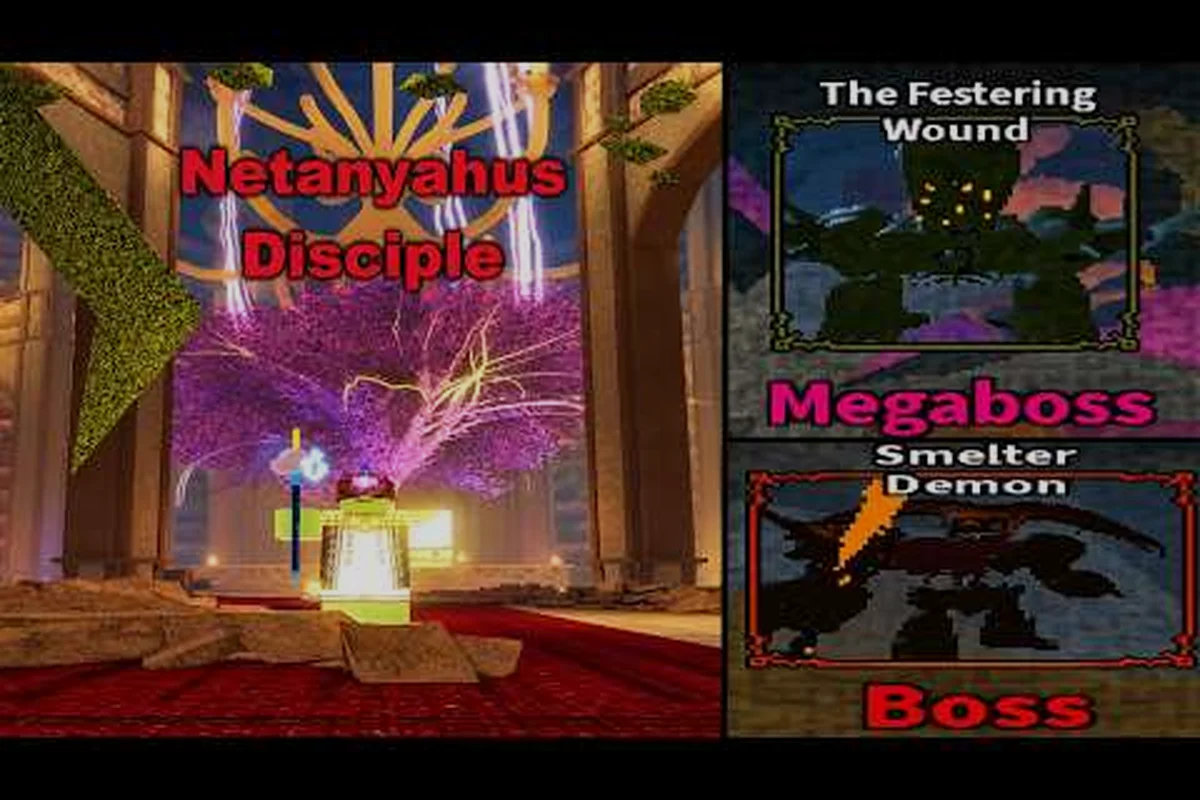
The Maze has twelve documented bosses, plus rare night encounters that the community has nicknamed without an official label. Solo viability against a specific boss depends on your class's ability to either outlast the boss's damage or burst it down before its enrage timer. Below is a community-corroborated matchup chart, drawn from player reports rather than official stats, because The Veil publishes no official encounter data for solo players.
| Boss | Cultist | Verdant | Nightshade | Gladiator |
|---|---|---|---|---|
| The Stormcaller | Even | Even | Strong | Even |
| The Beholder | Strong | Even | Strong | Weak |
| Smelter Demon | Even | Weak | Even | Strong |
| Hiveling Titan | Strong | Even | Even | Strong |
| Goblin Warlock | Even | Strong | Even | Even |
| The Puppeteer | Strong | Even | Strong | Even |
| The Festering Wound | Strong | Strong | Even | Even |
| The Crowned Nothing | Even | Strong | Strong | Even |
| The Masquerade | Even | Even | Strong | Strong |
| The Unfinished | Even | Strong | Even | Even |
| The Cell of Life | Strong | Strong | Even | Strong |
| Bell Boss (community nickname) | Even | Even | Even | Even |
The "Bell Boss" entry is a community nickname for an undocumented encounter that several players have reported, and it is listed here only to flag that the roster of twelve documented bosses may not be exhaustive. Ancient Bones is similarly a community-named rare night encounter, not an official boss, and you should not expect any class to have a hard counter for it because there is no published data.
Why Cultist Edges Out Verdant in Pure Solo
Both Cultist and Verdant are top-tier solo picks, but they solve different problems. Cultist spreads damage and lifesteals through crowds, which scales with the number of targets you are fighting — meaning a Cultist gets stronger as the Maze night progresses and the horde swells. Verdant's ground heals scale with the player's own positioning, which means a Verdant who knows the zone layout can pre-place heals on the patrol path of an incoming elite pack, but a Verdant caught out of position with no heal zone is suddenly fragile.
The honest class comparison is: Cultist is the better pick for someone still learning the Maze's layout, because the class forgives bad positioning through DoT spread. Verdant is the better pick for someone who has memorized two or three Obelisk routes and can pre-plan heal zones, because the class rewards map knowledge with multiplicative sustain. Both are correct answers; the difference is how much you have explored.
Common Solo Class Mistakes and How to Avoid Them
The three most common solo class mistakes in The Veil are: spending Sins on damage before sustain, chasing Hybrid classes too early, and entering the Maze before the first class badge is earned. Each one compounds into a longer-term problem, because Sins are a finite weekly resource in some progression tracks, and respeccing a Hybrid back to a base class is not always possible without a full Prestige reset.
| Mistake | Why It Hurts | Fix |
|---|---|---|
| Damage talents first | Dies before damage matters | Self-heal to tier 2 first |
| Hybrid class too early | Two shallow kits, one strong one | Pick base class, learn it |
| Maze before badge | Missing tier 2 talents | Clear Glade, earn badge |
| Splitting Ichor | Three weak weapons | One main weapon to cap |
| Peak-hour solo | 16-player server, no margin | Off-peak for solo |
| No Obelisk plan | Dies far from extract | Memorize one escape route |
The The Veil class build guide mindset is to think of your character as a self-contained unit, because no healer is coming to save you. A solo player who optimizes for burst damage without sustain is building a glass cannon that the Maze's elite packs will shatter on contact, while a solo player who over-invests in sustain at the expense of clear speed will run out of time before the night ends. The sweet spot is the first or second sustain talent and then full investment in damage, with the exact ratio depending on your class and your confidence in the zone layout.
Prestige Resets and Long-Term Solo Play
Prestige in The Veil fires at the 5th, 10th, 15th, and 20th milestones, and each reset offers a chance to respec your class tree, reroll your race, and re-pick your ability priorities. For solo players, Prestige is a feature rather than a punishment, because it lets you course-correct a bad early build once you understand how the class actually plays at endgame. The community generally recommends that solo players push their first Prestige at milestone 5 rather than rushing to 20, because the early resets are cheap in terms of resource loss and expensive in terms of lessons learned.
If you are chasing a long-term solo build, plan your Prestige windows around your class mastery rather than around server events. A Cultist who resets at milestone 5 to refund damage talents and reinvest in AoE clear will feel the difference immediately, while a Marauder who resets at the same milestone to chase a tankier build will find that the class is still group-dependent no matter how the talents are arranged.
Frequently Asked Questions
What is the best The Veil class for solo players?
Cultist and Verdant are the two strongest solo picks because both classes have built-in sustain that compensates for the lack of a healer. Cultist leans sustain AoE through lifesteal and damage-over-time spread, while Verdant leans ground-targeted heals that reward map knowledge. Gladiator is the most forgiving melee starter if you want a smoother learning curve.
How do I become an apprentice in The Veil?
Talk to the Class Trainer NPC near the central Obelisk in The Glade, accept the apprentice contract, and complete the short quest chain that introduces Weaving combat. Finishing the chain rewards the first class badge and unlocks tier two of your class's ability tree, which is where the signature mechanics become available.
What is the first class badge and why does it matter?
The first class badge is the cosmetic and progression reward for completing the apprentice quest chain, and it gates the second tier of your class's ability tree. Tier two talents are where Cultist gets lifesteal, Verdant gets ground heals, and Nightshade gets its teleport burst, so a solo player without the badge is missing roughly a quarter of their class's power.
Should I pick a Hybrid class for solo play?
No, at least not until you have mastered a base class. Hybrid combinations split your Sins across two ability trees, leaving you with shallow coverage in both. Solo play rewards depth in one kit because the Maze's threat patterns are predictable once you learn them, and a single class with full talents outperforms a Hybrid with half talents in almost every encounter.
What class weapons should solo players prioritize first?
Push one main class weapon to its highest Blacksmith tier before enchanting or branching out. Ichor has diminishing returns past a certain tier, so splitting it across multiple weapons leaves you with three weak options. The community-recommended order is: main weapon tier → class abilities with Sins → enchantment affixes → secondary weapon.